
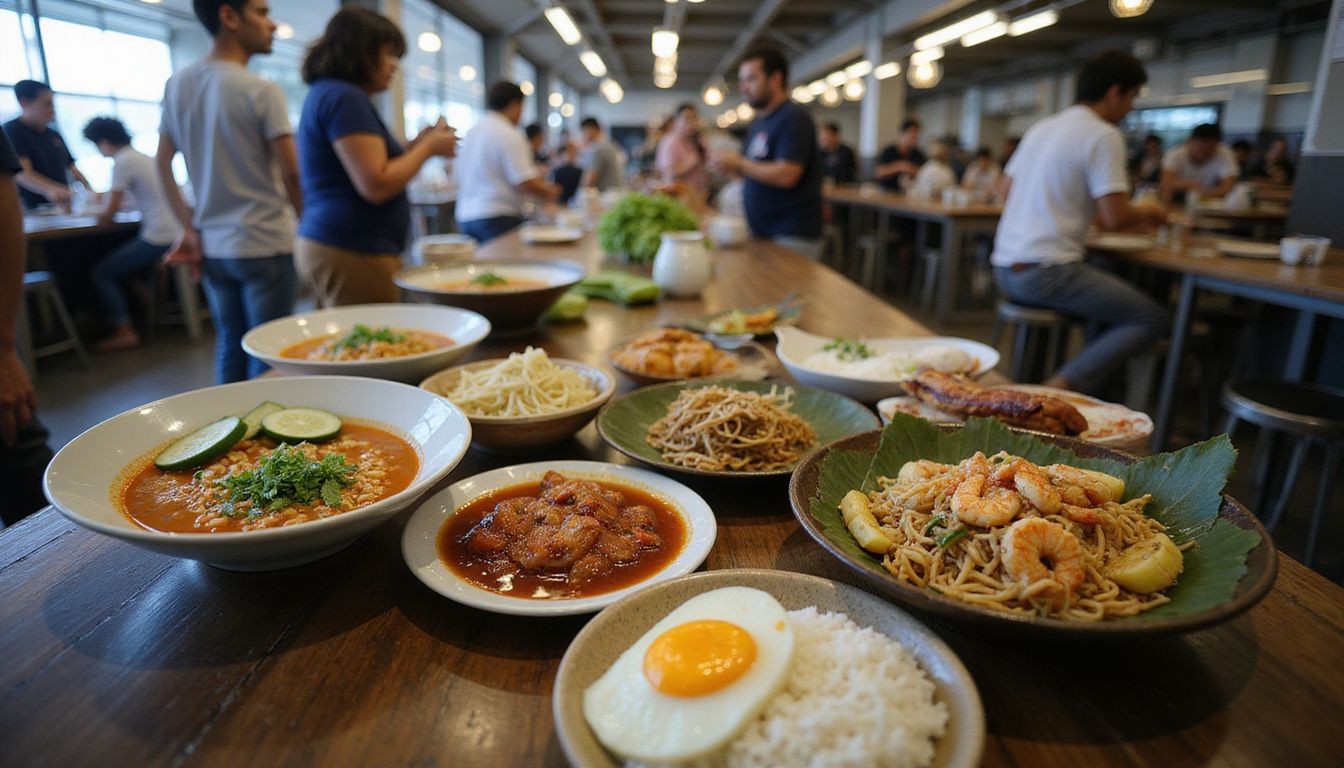
Choosing what to eat in Penang can feel like a brilliant but slightly overwhelming challenge. You arrive in the food capital of Malaysia, and suddenly you are surrounded by legendary Malaysian street foods like assam laksa, nasi lemak, and char koay teow at almost every corner.
The real task is figuring out which dishes are truly unmissable.
It is not always easy to pick the must-try plates from the countless stalls and hawker centres across George Town, where a rich mix of Malay, Chinese, and Indian flavours creates a truly unique food culture.
This foodie guide is here to help. We have put together a list of 25 Best Food in Penang you should not miss during your trip, along with our tips on where to find the best versions. Let’s explore the mouth-watering cuisine Penang has to offer.
Penang’s Iconic Noodle Dishes
Penang offers a fantastic variety of noodle dishes at every turn. You can find everything from thick rice noodles in a tangy tamarind broth to smoky stir-fried strands coated in a rich dark sauce. Hawker centres and street stalls serve each bowl with unique local flavours, perfect for anyone eager to taste Malaysia’s best.
What is Assam Laksa and why is it famous in Penang?
Assam Laksa is a signature Penang street food, celebrated for its tangy and spicy fish-based soup served with thick, chewy rice noodles. Local cooks create a complex broth using fresh mackerel, tamarind, lemongrass, chilli, and pineapple. This combination perfectly captures Penang’s multicultural culinary heritage.
The dish stands out because of its bold mix of sour tamarind and aromatic herbs like mint and torch ginger flower, which gives it a refreshing finish.
The bright zing of assam laksa wakes up our senses, each spoonful tells a story of shared heritage along bustling streets.
We find incredible Assam Laksa at famous spots, including the legendary Pasar Air Itam Laksa, where a bowl costs around MYR 6. This stall has been operating for decades, and locals recommend visiting on a weekday morning to avoid the long queues. Another excellent choice is the Michelin Guide-listed Moh Theng Pheow, known for its well-balanced flavours. You can even find it at Penang Road Famous Teochew Chendul, served daily from 10 am to 5 pm.
How is Char Koay Teow prepared in Penang?
Expert hawkers in Penang prepare Char Koay Teow over a blazing hot charcoal fire. This traditional method gives the flat rice noodles a celebrated smoky aroma known as “wok hei,” which gas stoves cannot replicate.
We see prawns, lup cheong (Chinese sausage), bean sprouts, and eggs tossed together with the noodles at lightning speed. Many stalls also add pork lard for extra richness, making the dish non-halal. The preparation often happens right before our eyes at famous stalls like Siam Road Charcoal Char Koay Teow on Jalan Siam, where queues can last over an hour.
Some key variations make a big difference:
- Duck Eggs: Many locals prefer their Char Koay Teow fried with a duck egg instead of a chicken egg for a creamier, richer taste. BM Duck Egg Char Koay Teow at Bukit Mertajam is a great place to try this version.
- Add-ons: For a more luxurious plate, some stalls, like Ah Leng Char Koay Teow, offer the option to add large prawns or even mantis prawns.
- Char Koay Kak: This is a popular twist found on Burma Road, where cubes of radish cake are fried in a similar style instead of noodles.
What makes Hokkien Mee special in Penang?
Penang Hokkien Mee, also known as Hae Mee, stands apart with its incredibly rich and fragrant prawn-based broth. The soup gets its deep flavour from simmering fresh prawn heads and shells with pork bones and secret spices for hours. Each bowl combines springy yellow noodles with thin rice vermicelli, creating a wonderful texture contrast.
The dish is typically finished with a spoonful of spicy chilli paste and a sprinkle of crispy fried shallots on top. At popular shops like Green House Prawn Mee Corner on Jalan Burma or the famous 888 Hokkien Mee at Lebuh Presgrave, we can customise our meal with a variety of delicious add-ons.
A warm bowl often costs around MYR 12 and is a beloved staple from morning until late at night. Many locals and tourists queue daily for an authentic taste of this iconic Penang street food.
Why should you try Curry Mee in Penang?
Penang-style Curry Mee offers a unique flavour profile that is distinct from other curry laksa in Malaysia. The coconut milk-based broth is fragrant but often lighter, and it is served with a signature dollop of rich, spicy curry paste on the side. This allows us to control the heat level by stirring in as much or as little as we like.
A standard bowl comes packed with yellow noodles, rice vermicelli, beancurd puffs, prawns, and coagulated pig’s blood. We can try it at places like Hot Bowl White Curry Mee, which holds a Michelin Bib Gourmand recognition for its consistency and flavour. It is a popular breakfast choice among locals, with stalls like Sister Curry Mee serving this classic for around MYR 10 from 8 am.
Locals often pair their bowl of curry noodles with sides such as steamed chicken or loh bak for a complete and authentic hawker meal.
Rice-Based Delights
We will soak up the flavours of Penang’s famous rice-based dishes. Each one shows how coconut milk, aromatic spices, and fresh herbs come together to create meals that keep us coming back for more. You absolutely need to taste them all!
What is Nasi Kandar and where to find it?
Nasi Kandar is a classic Penang dish, best known for its fluffy steamed rice served with an assortment of spicy curries and side dishes. The experience is all about customisation. We get to choose from a huge variety of options, including fried chicken, bendi (okra), mutton curry, fish head curry, and sambal prawns.
The magic happens when the server pours a mixture of different curries over the rice, a practice known as “banjir” or flooding. This blends all the rich flavours together. A hearty plate often costs around MYR 8-15 at famous spots such as Nasi Kandar Line Clear or Hameediyah Restaurant, which was established in 1907 and is recognised as the oldest Nasi Kandar spot in Malaysia.
Many locals swear by Deen Maju Nasi Kandar on Jalan Gurdwara. It is famous for its Ayam Ros (rose chicken) and perfectly fried items straight from the kitchen. Be prepared for a queue, but it moves quickly if you know what you want.
How is Nasi Lemak traditionally served in Penang?
In Penang, Nasi Lemak is often served as a small, pyramid-shaped packet neatly wrapped in a banana leaf. This traditional method infuses the coconut rice with a subtle, earthy aroma, making it a perfect treat for breakfast or a light lunch. The rice itself is cooked with coconut milk and pandan leaves, giving it a rich and fragrant quality.
Each packet is typically topped with a spicy and slightly sweet sambal, crispy ikan bilis (anchovies), and sometimes a slice of hard-boiled egg. Many street vendors sell these compact packets for as little as MYR 2 at places like Nasi Lemak Cili Bilis.
For a more substantial meal, we can visit stalls like Ali Nasi Lemak Daun Pisang along Beach Street in George Town. It was recognised by the Michelin Guide in 2023 and offers larger portions with add-ons like squid sambal or fried chicken. It is open on weekdays from 7 am to 2 pm and serves pork-free options.
What is Nasi Dalca and why try it in Penang?
After enjoying the fragrant simplicity of Nasi Lemak, we should explore Nasi Dalca, another rice-based dish shaped by Penang’s South Indian Muslim culinary traditions. It features fluffy rice cooked with lentils (dal) and aromatic spices like cinnamon and star anise. This makes it incredibly flavourful on its own and perfect for those who enjoy hearty, curry-based meals.
Many local stalls across George Town serve this meal with a side of ulam (local greens) and various curries or stews. One spot that stands out is Nasi Padang Minang at 92 Jalan Transfer, open from Saturday to Thursday from 11 am to 4 pm. Here, we can pair our Nasi Dalca with dishes like Ikan Patin Asam Pedas, a tangy fish stew, or choose from several vegetable sides.
Nasi Dalca highlights why Indian Muslim dishes have become such beloved comfort foods in Malaysian cuisine.
Unique Snacks and Street Foods
The snack stalls in Penang are bursting with choices, and each bite tells its own story. Street food carts line busy alleys, offering snacks that mix tradition and new flavours. These are perfect for curious travellers craving a quick treat or an adventurous taste.
What is Popiah and where to taste the best?
Popiah is a type of fresh, unfried spring roll commonly found at Nyonya food stalls in Penang. It consists of a thin, soft wheat crepe that wraps around a filling of steamed jicama, crisp vegetables, tofu strips, and sometimes prawns.
The fillings are often seasoned with Nyonya spices or dried shrimps for an extra punch of flavour. Each bite offers a delightful mix of crunch and softness, with hints of a sweet dark sauce or spicy chilli paste layered inside. For the best experience, Moh Theng Pheow on Lebuh Chulia stands out. It holds a Michelin Guide award and is famous for its flavour-packed Popiah served alongside other heritage snacks.
Another top eatery we recommend is Laksa Aunty Ruby Juru at Jalan Sentul 4, where they serve fresh Popiah alongside Penang laksa and Cucur Udang (prawn fritters).
What is Lor Bak and how is it made?
Lor Bak is another street food favourite in Penang. This popular snack features minced pork marinated in Chinese five-spice powder, then rolled up tightly in thin soybean beancurd sheets. The rolls are deep-fried until they are golden brown and wonderfully crisp. Most vendors serve Lor Bak hot and fresh from the wok for maximum crunch.
At places like Kheng Pin Cafe on Jalan Penang or Restoran Hai Onn, we can order a plate for about MYR 5. It often comes with a selection of other fried items like tofu, prawn fritters, or century egg. The dish is always served with two types of homemade sauces.
- A sweet, starchy dip known as “loh.”
- A tangy chilli sauce for a spicy kick.
Vendors like Kheng Pin have kept their family recipes popular for decades. They are open from 7 am to 1:30 pm but close on Mondays and Tuesdays, so it is a good idea to plan ahead.
How is Roti Canai enjoyed in Penang?
We grab Roti Canai hot off the griddle, often straight from a bustling roadside stall or a traditional coffee shop known as a kopitiam. This flaky, layered flatbread arrives with a golden, crisp exterior and a soft, chewy inside. We usually tear off pieces and dip them into a rich dhal (lentil curry) or a spicy chicken or fish curry.
Popular places such as Roti Canai Transfer Road and a stall on Jalan Argyll often have long queues, but the prices are very affordable. Made by Penang’s Indian Muslim community for generations, this dish has become a true breakfast staple for locals and travellers alike. It pairs perfectly with a strong local tea or coffee.
What is Otak-Otak and why is it popular?
From dipping our Roti Canai in spicy curry, we shift to another favourite on the Penang street food scene: Otak-Otak. This snack is a flavourful fish cake made from a smooth blend of local white fish paste, creamy coconut milk, and a special mix of Malaysian spices. The name “otak-otak” literally translates to “brains” in Malay, referring to the soft, custard-like texture of the cooked paste.
Vendors wrap the mixture in banana leaves before grilling it over hot coals. This process gives Otak-Otak its famous rich aroma and smoky taste. We often see locals grabbing these treats at stalls in Lorong Selamat for only MYR 5 each. Its bright orange colour and strong flavours from chilli paste, lemongrass, and turmeric make it a standout snack in Malaysian cuisine.
Seafood Specialties
Seafood lovers will find Penang to be a paradise. Think smoky grilled fish and golden fried oyster omelettes lining the stalls at Gurney Drive, each bursting with local spices and the freshest catch. Read on to uncover where these cherished hawker centre classics await us.
How is Grilled Ikan Bakar prepared in Penang?
Grilled Ikan Bakar in Penang starts with incredibly fresh fish, often bought straight from the local fishermen’s catch of the day. We see Malay-owned stalls at night markets using a simple but delicious marinade made from turmeric, chilli, and tamarind, which gives the fish its signature tangy kick.
The fish is then wrapped in banana leaves to lock in all the juices and flavour before it goes over a charcoal fire. This traditional grilling method gives every bite a smoky aroma that you cannot miss at open-air food courts. Places like Idrus Ikan Bakar and Lan’s Corner Ikan Bakar serve each portion starting at around MYR 4. The fish is served piping hot alongside rice and a spicy sambal for extra flavour.
What is the recipe for Fried Oyster Omelette?
Fried Oyster Omelette, or “Oh Chien,” is a Penang street food classic loved for its rich flavours and contrasting textures. At places like New Lane Hawker Centre or Yi Garden, we can grab a plate for around MYR 7.
The recipe begins with a simple starch batter, usually made from potato or tapioca flour mixed with water and salt. This batter is poured onto a very hot wok first, where it forms the crispy, chewy base of the omelette. Fresh eggs are cracked in next, followed by plump, fresh oysters. The mixture is stir-fried quickly to keep the centre soft while ensuring the outside turns golden and crisp.
Many stalls toss in coriander leaves just before serving and offer a tangy chilli sauce on the side for dipping. It is a must-try dish at both modern hawker centres and heritage night markets.
Sweet Treats and Desserts
Penang offers a colourful feast of sweet treats. Discover why locals crave these desserts, and find out where you can enjoy them next.
What is Cendol and where to get the best?
Cendol offers a perfect, sweet escape from the tropical heat. This beloved dessert features a bowl of finely shaved ice filled with creamy, fresh coconut milk, vibrant green rice flour jelly noodles, and soft red beans. The entire dessert is sweetened with a generous drizzle of Gula Melaka, a rich palm sugar syrup with a deep, caramel-like flavour.
Many locals will point you to Penang Road Famous Teochew Chendul at 27-29 Lebuh Keng Kwee for this treat. The stall has been operating since 1936 and consistently draws long queues. A bowl costs around MYR 4.50, and its fame comes from using high-quality, fresh ingredients, including pandan-infused jelly made daily.
This dessert is one of the most refreshing Malaysian street food experiences you can have in Penang.
How is Ais Kacang made and enjoyed?
Ais Kacang, also known as ABC (Ais Batu Campur), is another popular shaved ice dessert we find at food courts and hawker centres across Penang. A large mound of shaved ice is topped with a colourful assortment of ingredients, including red beans, sweet corn kernels, chewy jellies, and palm seeds. The ice is then drenched in bright pink rose syrup and condensed milk.
A bowl usually costs about MYR 4 at spots like Restoren Kek Seng and New World Park. After a spicy meal like char koay teow or curry mee, we often share this delightful treat. Some creative vendors even finish their Ais Kacang with a scoop of ice cream or seasonal durian puree for an extra indulgent twist.
What is Apom Manis and why try it?
Apom Manis is a much-loved Penang street food, easy to spot at morning and evening markets. It is a thin, crepe-like pancake with incredibly crispy edges and a soft, fluffy centre. For just MYR 4 at Kedai Kopi New Cathay, we can enjoy this simple treat that pleases both locals and travellers.
It is often lightly flavoured with coconut or fragrant pandan. This Nyonya dessert tastes best when eaten hot off the griddle, as the contrast between the soft middle and the crunchy rim is most pronounced. Its fresh, sweet aroma draws crowds to hawker centres across George Town for a light afternoon snack.
How is Kaya Toast served in Penang?
Kaya Toast is a quintessential Malaysian breakfast. Toasted bread arrives crisp on the outside, sliced in half, and filled with a generous spread of kaya, a rich and sweet jam made from coconut milk, eggs, sugar, and fragrant pandan leaves.
A thick slab of cold butter is often placed inside, where it melts into the warm toast, adding an extra creamy and slightly salty touch. At most Penang kopitiams, like those in George Town and Lorong Selamat, we pair our kaya toast with two soft-boiled eggs. These are typically served in a bowl, and you can top them with a dash of dark soy sauce and white pepper.
This meal is usually enjoyed with a local kopi-o (black coffee) or teh (tea) for a perfect start to the day.
Where to Find the Best Penang Street Food
We often find the tastiest Malaysian snacks at open-air hawker centres and lively night markets, especially around the historic George Town area. Street vendors set up their stalls near heritage sites, famous temples like Kek Lok Si Temple, and busy spots close to Penang Hill. All these places are bursting with local treats cooked right before our eyes.
What can you eat in Georgetown Heritage Area?
The Georgetown Heritage Area is a food lover’s paradise, with delicious options at every corner. We can start our culinary journey at Chulia Street Hawker Food, open daily from 4:30 pm to 10:30 pm. Here, stalls serve excellent wan tan mee, char koay teow, and satay sticks hot off the grill.
You can find legendary dishes all within a short walk:
- Nasi Kandar: Head to Deen Maju on Jalan Gurdwara for rice piled high with spicy curries.
- Cendol: Penang Road Famous Teochew Chendul is a must-visit for its icy dessert covered in gula melaka syrup.
- Lor Bak: Kheng Pin Loh Bak on Jalan Penang serves this classic fried snack, but it closes by 1:30 pm most days.
- Nyonya Kuih: Trays of colourful, traditional sweets fill the counter at Moh Theng Pheow on Lebuh Chulia.
The area is very walkable, making it easy to sample a wide variety of Penang street food in one afternoon.
What makes Kimberley Street Night Market a food haven?
Kimberley Street Night Market bursts to life after sunset, offering countless Penang street food options until 10 pm or even later. The air is filled with the rich aromas of local favourites. This market is particularly known for its traditional Hokkien and Teochew dishes, with many vendors using recipes passed down through generations.
The standout dish here is the Kimberley Street Duck Kway Chap at stall number 135. This spot has thrived for decades and serves a hearty soup with flat rice noodles and a choice of over 15 types of braised duck meat and offal. Crowds also gather for traditional bites like loh bak, spring rolls, and fried oyster omelettes straight from sizzling woks.
Why visit Air Itam Suburb for street food?
Air Itam Suburb is a top destination for authentic Penang street food, drawing locals and visitors who crave genuine, time-tested flavours. This is where you will find the famous Pasar Air Itam Laksa, which serves its iconic Penang Assam Laksa for just MYR 6. Many consider it one of Malaysia’s best dishes due to its tangy tamarind broth and fresh ingredients.
Many vendors here have been running their family stalls for generations. In Air Itam, we find unique snacks that are sometimes hard to locate in the more tourist-focused parts of George Town. Food tours often make a stop here before people visit the nearby Kek Lok Si Temple, especially on weekends when crowds flock for breakfast and lunch.
Conclusion
Sampling Penang’s street food is a true feast for the senses, with each dish telling its own unique story.
Whether we discover new flavours in bustling hawker centres or quiet alleyways, every single bite offers something memorable.
Taking the time to wander through George Town and the nearby night markets allows us to find culinary treasures like assam laksa, nasi lemak with rich coconut milk, and smoky char koay teow cooked over a charcoal fire.
We leave with full hearts and even fuller bellies!


Comment (0)