
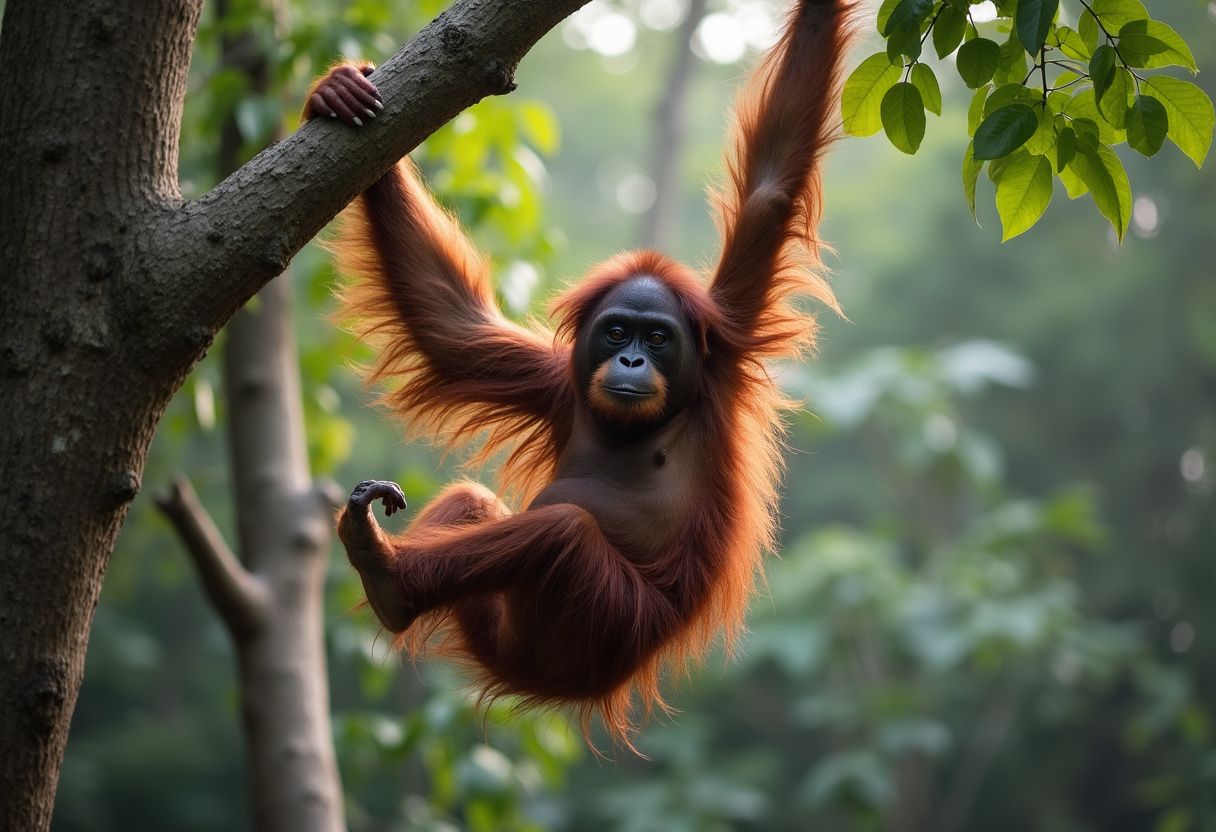
As a guide with MyTravelLane for over a decade, I’ve led countless trips around Malaysia, and I can tell you that few experiences compare to seeing orangutans in a natural setting. If you’re planning a visit to Kuching, the Semenggoh Wildlife Centre should be at the top of your list.
You’re not just visiting a park. You’re stepping into a success story.
Established back in 1975, this place is managed by the Sarawak Forestry Corporation and serves as a safe haven for semi-wild orangutans. These are animals that were rescued from captivity or orphaned, and the goal here has always been rehabilitation and reintroduction into the wild.
This guide cuts through the noise. I’ll walk you through the best ways to get there from Kuching city, the ideal times to see these incredible red apes, and some insider tips to make your visit truly memorable.
Key Takeaways
- The Semenggoh Wildlife Centre, located near Kuching, Sarawak, is a rehabilitation center for over 20 semi-wild orangutans living in a large nature reserve.
- You can reach the centre from Kuching via Bus K6 for about RM 4, a Grab car for RM 25-35, a taxi, a rental car, or a guided tour. Entry fees are RM 10 for foreign adults.
- Feeding times are at 9 am and 3 pm daily, which offer the highest chance of seeing the orangutans. Sightings are best from April to November.
- The reserve is also home to other wildlife like macaques, the Rhinoceros Hornbill (Sarawak’s state bird), and unique plants such as pitcher plants and orchids.
- For photography, use a camera with fast autofocus. Remember that flash photography is strictly prohibited to protect the animals.
Getting to Semenggoh Wildlife Centre
Semenggoh Wildlife Centre sits just about 20-24 kilometers outside Kuching, the capital of Sarawak, making it an easy and popular day trip. You have several solid options to get there, from public buses to private cars.
What are the transport options from Kuching to Semenggoh?
Getting from Kuching to the centre is straightforward, with choices for every budget. In my experience, each option has its own pros and cons.
- Take the Public Bus (K6): This is your most budget-friendly option. The green K6 bus departs from a stop near Jalan Masjid in the city center. A one-way ticket costs around RM 4. The bus for the morning session leaves around 7:15 am. After it drops you at the main gate, you have a pleasant 20-minute walk to the feeding area.
- Use a Ride-Hailing App (Grab): For convenience, Grab is fantastic. A one-way trip typically costs between RM 25 to RM 35. A pro-tip I share with my clients is to consider asking your driver to wait. Negotiating a round-trip fare, often around RM 75, can save you the hassle of finding a ride back, as return Grabs can be scarce.
- Hire a Taxi: Taxis are readily available in Kuching but are the most expensive option. A one-way fare usually starts at RM 40, and a return trip can cost between RM 100-150.
- Rent a Car: If you value flexibility, renting a car is a great choice. There is parking available near the entrance, making it a good option for families who want to move at their own pace.
- Book a Guided Tour: Companies like mine, MyTravelLane, or others such as Paradesa Borneo, offer packages that often include hotel pickup, entrance fees, and an experienced guide. Tour prices can range from around RM 160 to RM 220 per adult depending on the group size.
What are the entry fees and opening hours?
Planning your budget and schedule is key. The fees directly support the wildlife conservation efforts here. The centre operates in two distinct sessions each day to give the animals a break from human presence.
Here’s a quick breakdown of the costs and times.
| Visitor Type | Fee (MYR) |
|---|---|
| Foreign Adult | 10 |
| Malaysian Adult | 5 |
| Foreign Child (6-17 years) | 5 |
| Malaysian Child (6-17 years) | 2 |
| Children under 6 years | Free |
| Opening Hours | Session |
|---|---|
| 8:00 am – 10:00 am | Morning |
| 2:00 pm – 4:00 pm | Afternoon |
A buggy ride is also available to take you from the entrance to the main briefing area, which costs RM 15 for a round trip for foreigners. It saves you a 20-minute walk that can be quite hot, though the walk itself is scenic.
Best Times to See Orangutans at Semenggoh Wildlife Centre
Timing your visit is everything when it comes to seeing these semi-wild orangutans. While nothing in nature is ever guaranteed, you can definitely increase your chances.
When are the orangutan feeding times?
The main events of the day are the feeding sessions, which happen twice daily.
- Morning Session: 9:00 am
- Afternoon Session: 3:00 pm
During these times, rangers place a variety of fruits like bananas, papayas, and pineapples on a wooden feeding platform. I always advise arriving at least 30 minutes early, around 8:30 am for the morning session, to get a good viewing spot before the crowds arrive. Rangers will give a safety briefing first, then lead you to the platform.
You might see just a few, or you could be lucky and see several, including mothers with their young. It’s a truly special sight that supports genuine wildlife protection.
Are there seasonal factors affecting orangutan sightings?
Yes, the time of year plays a huge role. The chances of seeing an orangutan are highest during the drier months, typically from April to November.
The biggest factor is the local fruiting season, which usually peaks from November to February. During this time, the forest is full of natural food like durian and langsat, so the semi-wild orangutans are less likely to come to the feeding platform. The rangers are very clear, sightings are never guaranteed, but your odds are much lower during this period.
As one of the experienced rangers at Semenggoh once told me, “When the forest is their buffet, our small kitchen is not so interesting.”
This is a key difference from a place like the Matang Wildlife Centre, which often cares for younger or less independent animals in large enclosures. At Semenggoh, the orangutans are free to roam the 653-hectare reserve, so a no-show is actually a sign of successful rehabilitation.
What to Expect During Your Visit
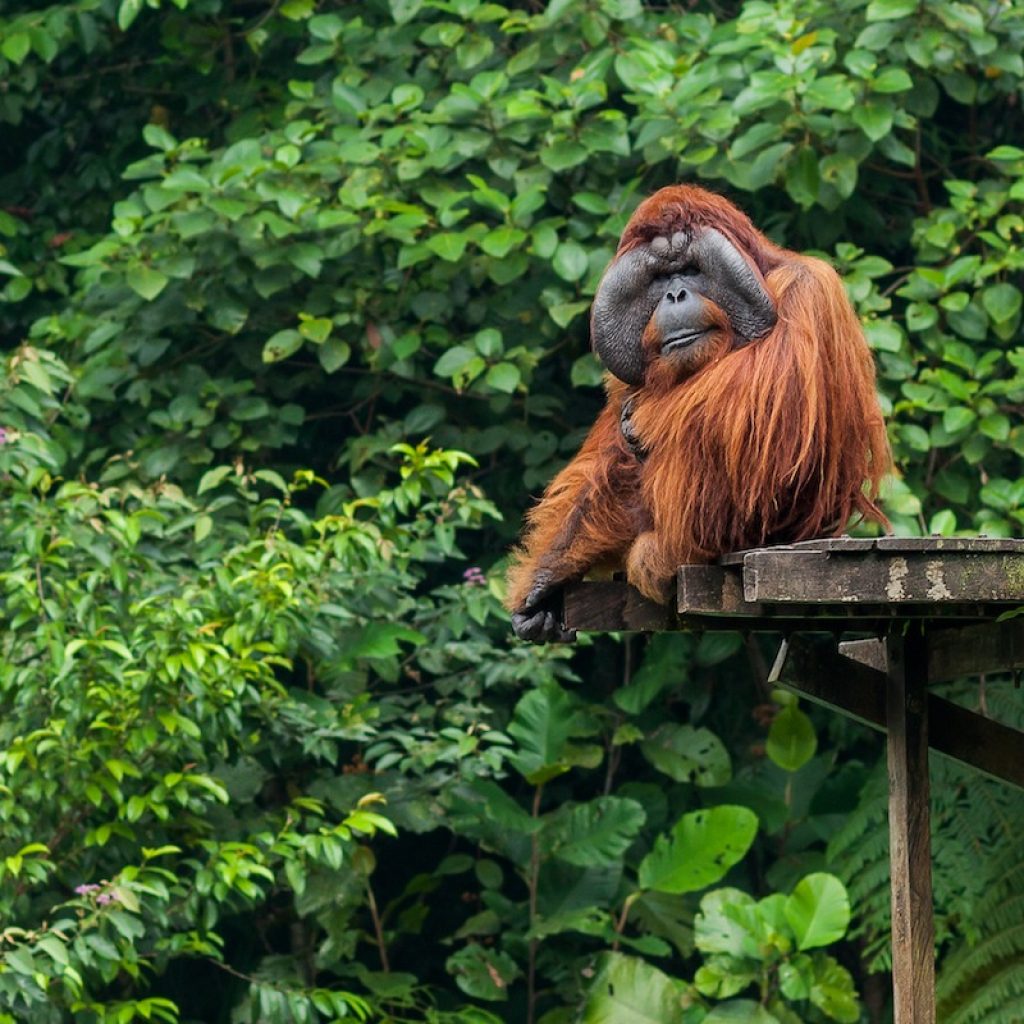
Your visit is more than just seeing an endangered species. It’s about observing them in a habitat where they are respected and cared for. You’ll hear the rustle of leaves high in the canopy before you see anything, a signal that a red ape might be approaching.
Should I join a guided tour or explore independently?
This really depends on your travel style. Going independently offers great flexibility. You can arrive and leave on your own schedule, which is perfect if you’ve rented a car.
However, a guided tour offers context that you simply can’t get on your own. As a guide myself with MyTravelLane, I can tell you that the real value comes from the stories we share about the individual orangutans. We can often point out the dominant male, Ritchie, who is known for his impressive size and cheek pads, or other notable residents. Guides like myself or my colleagues Siva and Jaya help you understand the conservation efforts and the ethics of wildlife tourism.
What other wildlife and plants can I see besides orangutans?
While the orangutans are the main attraction, keep your eyes and ears open for the other residents of the Semenggoh Nature Reserve. The forest is alive with activity.
- Other Primates: You’ll likely see long-tailed macaques and maybe the shyer pig-tailed macaques near the trails.
- Birds: Listen for the distinctive calls of hornbills. Sarawak is home to eight species, and you might spot the magnificent Rhinoceros Hornbill, the state bird of Sarawak.
- Mammals and Reptiles: Giant squirrels and pygmy squirrels are often seen leaping between branches. Monitor lizards sometimes bask on logs along the paths.
- Unique Flora: The forest floor and canopy are rich with plant life. Look for colorful wild orchids, carnivorous pitcher plants, and ancient ferns that create a vibrant ecosystem.
Photography Tips for Capturing Orangutans
Getting a great photo of an orangutan is a highlight for many visitors, but it requires patience and the right approach. From my years of guiding photography enthusiasts, here are a few tips.
First, the light is best during the morning feeding session. The forest canopy can be dark, so the brighter morning light helps a lot. Use a camera with a fast autofocus or your phone’s burst mode, as the orangutans can move surprisingly quickly through the trees.
A zoom lens is your best friend here. Something in the 200-400mm range is ideal for getting frame-filling shots without disturbing the animals. Modern cameras from brands like Sony or Canon often have “Animal Eye AF” features that work wonders for locking focus on their expressive faces.
A critical rule to remember: Absolutely no flash photography is allowed. The sudden burst of light can frighten and distress the orangutans, so make sure your flash is turned off before you even approach the viewing area.
Also, pay attention to the rangers’ instructions. They know the animals’ behaviors and will guide you to the best, safest viewing spots. Capturing a mother with her baby is an incredibly rare and precious shot, as female orangutans only give birth every 7-8 years.
Conclusion
A trip to the Semenggoh Wildlife Centre is a truly special experience. It’s a chance to see Borneo’s iconic wild orangutans up close in a way that is both responsible and deeply moving.
Watching these incredible primates swing gracefully through the forest during the feeding times is a memory you won’t soon forget.
The centre’s dedication to conservation efforts is a powerful reminder of how tourism can support the protection of endangered species. So bring your camera, respect the rules, and enjoy an unforgettable wildlife adventure in Sarawak.
FAQs
1. What is the best time to visit Semenggoh Wildlife Centre for orangutan sightings?
The feeding times from 9:00 AM to 10:00 AM and again from 3:00 PM to 3:30 PM offer the best viewing opportunities. I suggest arriving 20 minutes early to secure a good spot at the main platform before it gets crowded.
2. Are visitors allowed to interact directly with the orangutans at Semenggoh Wildlife Centre?
No, direct contact is forbidden to protect the semi-wild orangutans and ensure visitor safety.
3. How accessible are the trails and viewing areas at Semenggoh Wildlife Centre?
Most trails are wooden boardwalks that can become very slippery when wet, so I always recommend wearing shoes with good grip. The paths are generally manageable for average fitness levels, but the heat and humidity can be tiring.
4. Is it possible to see other wildlife besides orangutans during a visit?
Yes, the reserve is home to other fascinating animals, and I often point out pig-tailed macaques and giant squirrels to my tour groups. If you’re quiet and observant, you might also spot various tropical birds along the forest trails.


Comment (0)